
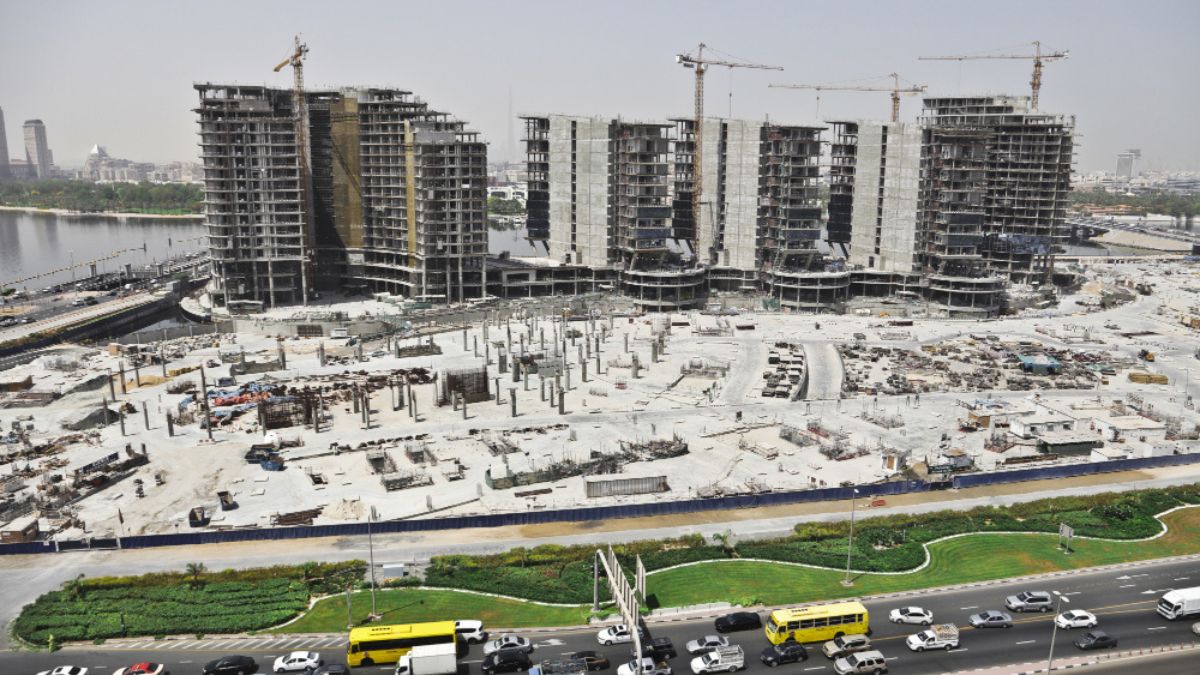
Mega-constructions, from towering skyscrapers to expansive bridges, are marvels of modern engineering. These projects demand immense precision, significant investment, and, most importantly, the right materials. The choice of materials can make or break a large-scale project, influencing its durability, cost, and overall success. Selecting the appropriate solutions is not just a matter of preference; it’s a critical decision that impacts safety, longevity, and performance under extreme conditions.
Understanding the unique challenges of large-scale construction is the first step toward choosing the right materials. These projects often involve complex designs, face harsh environmental elements, and must adhere to stringent safety and regulatory standards. Therefore, the materials selected must offer a combination of strength, resilience, and adaptability. This guide explores the essential material solutions that engineers and project managers rely on to bring ambitious architectural visions to life, ensuring they stand strong for generations.
The Pillars of Modern Construction: Key Materials
The foundation of any major construction project lies in the selection of materials that can withstand immense stress and environmental pressures. While many options exist, a few have become the go-to choices for their proven performance and reliability.
High-Strength Concrete
Concrete is the most widely used construction material in the world, and for good reason. For large-scale projects, standard concrete often isn’t enough. High-strength concrete, engineered to bear extraordinary loads and resist severe conditions, is the solution. It is created by optimizing the mix of cement, water, and aggregates, often including additives like silica fume to enhance its properties.
This advanced concrete is essential for building the core structures of high-rise buildings, long-span bridges, and massive dams. Its high compressive strength allows for slimmer, more elegant designs without sacrificing structural integrity, enabling architects to push the boundaries of what’s possible.
Structural Steel
When it comes to strength-to-weight ratio, structural steel is unparalleled. Its ability to support heavy loads while remaining relatively lightweight makes it ideal for constructing the frames of skyscrapers, stadiums, and industrial facilities. Steel’s ductility, or its ability to bend without breaking, also provides a crucial safety advantage, especially in earthquake-prone regions.
Modern steel fabrication techniques allow for the creation of complex shapes and prefabricated components, which can be assembled on-site. This modular approach accelerates construction timelines and reduces labor costs, making steel a cost-effective and efficient choice for projects with tight deadlines.
Advanced Composites
Composite materials, such as carbon fiber reinforced polymers (CFRP), are at the forefront of material innovation. These materials are created by combining two or more distinct substances to produce a final product with enhanced properties. Composites are known for being incredibly lightweight, strong, and resistant to corrosion.
Initially developed for the aerospace industry, composites are now finding applications in civil engineering. They are used to reinforce existing structures, such as bridges and buildings, extending their service life and improving their resilience. While the initial cost of composites can be higher than traditional materials, their durability and low maintenance requirements often result in lower lifetime costs.
Specialized Aluminum Alloys
Aluminum alloys offer a unique combination of being lightweight, corrosion-resistant, and aesthetically pleasing. Not all aluminum is created equal, and for large-scale applications, specific alloys are engineered to meet demanding requirements. For example, alloys in the 6000 series are valued for their good mechanical properties and excellent extrudability, which means they can be easily shaped into complex profiles.
Finding a reliable 6005 aluminum alloy supplier can provide access to a material that is perfect for architectural applications like window frames, curtain walls, and intricate facade systems. These alloys contribute not only to the structural performance but also to the visual appeal of modern buildings, offering architects creative freedom.
Smart Selection for Lasting Structures
Choosing the right materials is a strategic decision that shapes the future of a large-scale project. It requires a deep understanding of the project’s specific needs, environmental context, and long-term performance goals. By leveraging the strengths of advanced materials like high-strength concrete, structural steel, and specialized alloys, engineers can design and build structures that are not only impressive in scale but also safe, durable, and sustainable. As material science continues to evolve, the possibilities for future megaprojects will only continue to expand.