
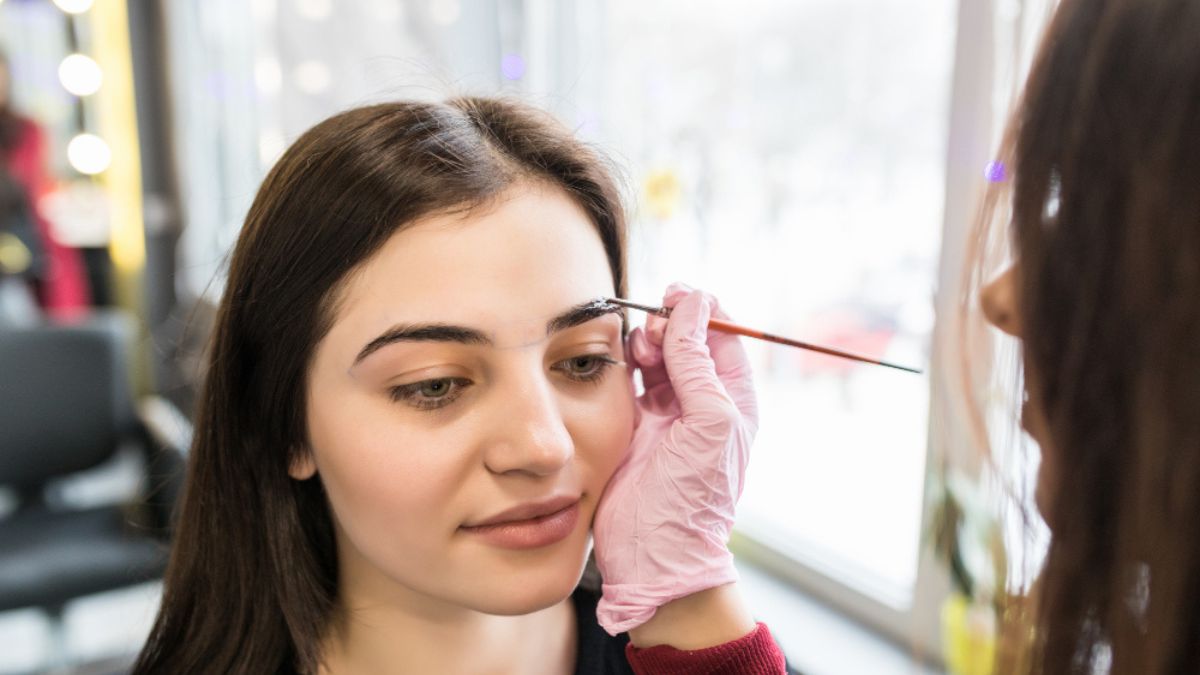
Full, natural-looking eyebrows have become a defining beauty feature, moving far beyond a fleeting trend. From the runway to everyday life, well-shaped brows frame the face and enhance our features.
The 4 Phases of the Brow Growth Cycle
Your eyebrows are constantly renewing themselves through a four-stage cycle. Each hair follicle operates independently, which is why you don’t lose all your brow hairs at once. Understanding this process can help you manage your expectations and care for your brows properly.
1. Anagen (Growth Phase)
This is the active phase where your brow hairs grow. The cells in the hair bulb divide rapidly, causing the hair to lengthen. For eyebrows, the anagen phase is relatively short, lasting about 30 to 45 days. This is why brow hairs don’t grow as long as the hair on your head. At any given time, about 15-40% of your brow hairs are in this growth phase. The length of this phase determines how long your eyebrow hairs can get.
2. Catagen (Transition Phase)
Following the anagen phase, the hair follicle enters the catagen, or transition, phase. During this brief period, which lasts about two to three weeks, hair growth stops. The hair follicle shrinks, and the hair detaches from the blood supply, getting pushed up toward the skin’s surface. It’s a preparatory stage for the resting phase that follows.
3. Telogen (Resting Phase)
This is the longest phase in the brow growth cycle, lasting anywhere from two to four months. During this time, the hair is “resting” in the follicle while a new hair begins to grow beneath it. The old hair remains in place until it’s ready to be shed. A large percentage of your brow hairs are in the telogen phase at any one time, which contributes to maintaining the overall fullness of your brows.
4. Exogen (Shedding Phase)
The exogen phase is the final stage, where the old hair is shed from the follicle to make way for the new hair growing in. It’s completely normal to lose one or two brow hairs each day as part of this natural process. Once the old hair is gone, the follicle re-enters the anagen phase, and the entire cycle begins again.
What Affects Brow Growth?
While the growth cycle is a natural process, several internal and external factors can influence its efficiency, affecting the fullness and health of your eyebrows.
- Genetics: Your DNA is the primary determinant of your brow characteristics, including their natural thickness, color, and shape. If your family members have naturally thin brows, you are more likely to have them as well.
- Age: As we get older, hair growth naturally slows down. The anagen phase becomes shorter, and some follicles may stop producing hair altogether, leading to thinner and sparser brows.
- Nutrition: A balanced diet rich in vitamins and minerals is crucial for healthy hair growth. Deficiencies in nutrients like biotin, iron, zinc, and vitamins A, C, D, and E can weaken hair follicles and hinder brow growth.
- Hormones: Hormonal fluctuations can significantly impact the hair growth cycle. Conditions like pregnancy, menopause, or thyroid disorders can cause changes in brow thickness and may even lead to hair loss.
- Medical Conditions: Certain health issues, such as alopecia areata (an autoimmune disease that causes hair loss) or eczema, can affect the hair follicles in the brow area. Additionally, treatments like chemotherapy can lead to temporary or permanent brow loss.
Tips to Enhance Natural Brow Growth
While you can’t change your genetics, you can adopt habits that support a healthy brow growth cycle and encourage fuller, thicker brows.
- Eat a Healthy Diet: Fuel your hair follicles from the inside out. Incorporate foods rich in biotin (eggs, nuts), iron (spinach, red meat), and omega-3 fatty acids (salmon, walnuts) to support strong hair growth.
- Try Brow Serums: Brow growth serums containing ingredients like peptides, biotin, and keratin can help nourish and strengthen hair follicles. These products can condition existing hairs and support growth in the anagen phase.
- Avoid Over-Plucking: Step away from the tweezers! Over-plucking can damage the hair follicle, sometimes permanently. If you need to shape your brows, only tweeze stray hairs and consider letting them grow out for a few months to see their natural shape.
- Exfoliate Gently: Just like the skin on your face, the skin under your brows can benefit from gentle exfoliation. Use a soft brush or a mild exfoliant to remove dead skin cells and stimulate blood flow to the follicles, which can encourage growth.
- Consult Professionals: If you’re unsure how to shape your brows or want to explore enhancement options, consult a professional. Estheticians can provide waxing, threading, or tinting services. For a more lasting solution, you might consider professional microblading services in Utah to create the appearance of fuller brows.
Common Brow Growth Myths Debunked
Misinformation about brow growth is everywhere. Let’s clear up a few common myths:
- Myth 1: Shaving your eyebrows makes them grow back thicker. Shaving blunts the hair tip, which can make it appear thicker as it grows back, but it doesn’t actually change the hair’s thickness or growth rate.
- Myth 2: Plucking one gray hair will cause more to grow. This is false. Each follicle produces one hair. Plucking it won’t affect the surrounding follicles.
- Myth 3: You can make your brows grow overnight. Brow growth is a slow process dictated by the hair cycle. There are no miracle cures for instant growth; patience and consistent care are key.
When to Seek Professional Help
If you experience sudden, significant brow loss or notice bald patches, it’s a good idea to consult a doctor or dermatologist. These could be signs of an underlying medical condition that needs attention. A professional can help diagnose the cause and recommend appropriate treatments to address the issue.
Conclusion
Understanding your brow growth cycle is the foundation for achieving the healthy, full brows you desire. By recognizing that brow growth is a marathon, not a sprint, you can adopt a routine that nurtures your follicles through every phase.