
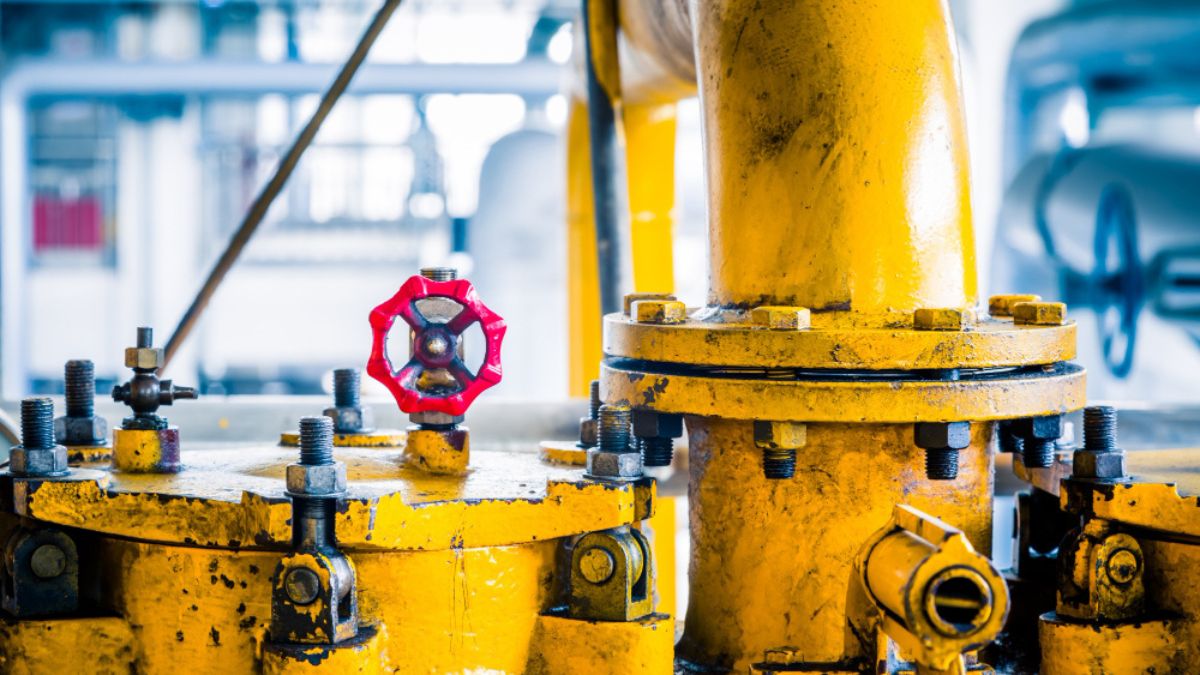
Consistent water pressure is essential for everyday tasks like washing dishes or showering, relying on a complex system to ensure a steady flow. When this system fails, it can cause anything from minor inconveniences to major operational issues in industrial settings.
Why Pressure Management Matters
Pressure control is fundamental to the reliability and longevity of any fluid system. When pressure is too low, the system can’t perform its intended function. Think of a sprinkler system that can’t spray water far enough to cover a lawn or a multi-story building where upper floors have barely any water flow. Low pressure can render a system ineffective.
Conversely, excessively high pressure creates a different set of problems. It puts immense strain on pipes, joints, and connected appliances, leading to a higher risk of leaks, bursts, and premature equipment failure. This can cause expensive water damage, interrupt operations, and pose safety hazards. Proper pressure management balances these forces, ensuring the system operates within a safe and effective range.
- Inconsistent Flow: Fluctuating pressure leads to an unpredictable water supply, affecting everything from shower temperatures to industrial processes.
- Equipment Damage: Appliances like washing machines, dishwashers, and industrial machinery are designed to operate within specific pressure ranges. High pressure can damage their internal components.
- Water Hammer: This phenomenon occurs when a sudden stop in water flow (like a quickly closing valve) sends a shockwave through the pipes, causing a loud banging noise and stressing the plumbing system.
- Increased Utility Costs: High pressure forces more water through the system than necessary, leading to waste and higher water and energy bills.
Understanding Booster Pumps
When the existing pressure in a system is insufficient, a booster pump is the solution. These pumps are designed to increase, or “boost,” the pressure of a fluid, typically water, to a desired level.
How Booster Pumps Work
A booster pump works in conjunction with an existing pump or a municipal water supply. It takes the incoming fluid at its current pressure and uses an impeller—a rotating device with blades—to increase the fluid’s velocity. This high-velocity fluid then moves into the pump casing, where the velocity is converted into higher pressure.
Most modern booster pump systems include a pressure sensor and a controller. The sensor monitors the pressure in the system, and when it drops below a set threshold, the controller activates the pump. Once the desired pressure is reached, the controller switches the pump off. This automated process ensures consistent pressure without continuous manual oversight and prevents the pump from running unnecessarily, which saves energy.
Types of Booster Pumps
Booster pumps come in various designs, each suited for different applications:
- Single-Stage Pumps: These have one impeller and are typically used for smaller applications where a moderate pressure increase is needed, such as in residential homes.
- Multi-Stage Pumps: These pumps feature multiple impellers arranged in a series. The fluid passes through each impeller sequentially, with each stage adding more pressure. Multi-stage pumps can generate very high pressures and are used in demanding applications like high-rise buildings, industrial processes, and large-scale irrigation.
- Submersible Pumps: Designed to be placed directly within a fluid source, like a well or tank, these pumps push water to the surface and are often used in agricultural and municipal water systems.
Applications Across Industries
Booster pumps are essential components in a wide range of sectors, ensuring that water and other fluids are delivered at the right pressure for optimal performance.
- Agriculture: Modern farming relies heavily on irrigation systems like sprinklers and drip lines. Booster pumps ensure that water is distributed evenly across large fields, reaching every crop. This is crucial for maximizing yield and conserving water.
- Manufacturing: Many industrial processes require high-pressure water for tasks like cleaning, cooling, and cutting. Booster pumps provide the necessary pressure for these applications, contributing to the efficiency and quality of production.
- Municipal Water Systems: In cities and towns, booster pumps are used to maintain adequate water pressure throughout the distribution network, especially in areas with high elevation or in tall buildings. They ensure that every resident has access to a reliable water supply.
Selecting the Right Booster Pump
Choosing the correct booster pump is critical for achieving the desired performance and efficiency. Several factors must be considered to match the pump to the specific needs of the system.
- Flow Rate: This is the volume of fluid that needs to be moved over a specific period, often measured in gallons per minute (GPM). The pump must be able to handle the peak demand of the system.
- Pressure Requirements: You need to determine the required pressure output, measured in pounds per square inch (PSI). This involves calculating the existing pressure and the additional pressure needed to overcome elevation changes and friction loss in the pipes.
- Fluid Type: While most booster pumps are designed for water, some applications may involve other fluids with different viscosities or corrosive properties. It’s essential to choose a pump constructed from materials compatible with the fluid being pumped.
For complex installations, consulting with professionals is a wise step. Experts, such as experienced plumbing contractors like those found in Murray, Utah, can assess your system, calculate your exact requirements, and recommend the most suitable booster pump for your situation.
Maintenance and Troubleshooting
To ensure your booster pump operates reliably for years, routine maintenance is essential. Regular checks can prevent minor issues from becoming major problems.
Key maintenance tasks include:
- Inspecting for leaks around the pump and connections.
- Checking that the pressure settings on the controller are correct.
- Listening for unusual noises, which could indicate worn bearings or other internal issues.
- Ensuring the motor’s ventilation is clear to prevent overheating.
Common troubleshooting tips:
- Pump Won’t Start: Check the power supply, fuses, and circuit breakers. Ensure the pressure switch is functioning correctly.
- Low Discharge Pressure: Look for clogs in the intake line or impeller. Verify that the system doesn’t have significant leaks.
- Pump Cycles On and Off Frequently: This often points to a problem with the pressure tank, such as incorrect air pressure or a damaged bladder.
Conclusion
Now that you have a better understanding of how water pumps work and the different types available, you can make an informed decision when purchasing one for your home. Remember to consider factors like flow rate, pressure requirements, and maintenance needs before making a purchase.